A sharp, acrid smell pierces the nostrils and spreads through the body, reaching deep into the soul.
Bulky. Heavy. Smooth.
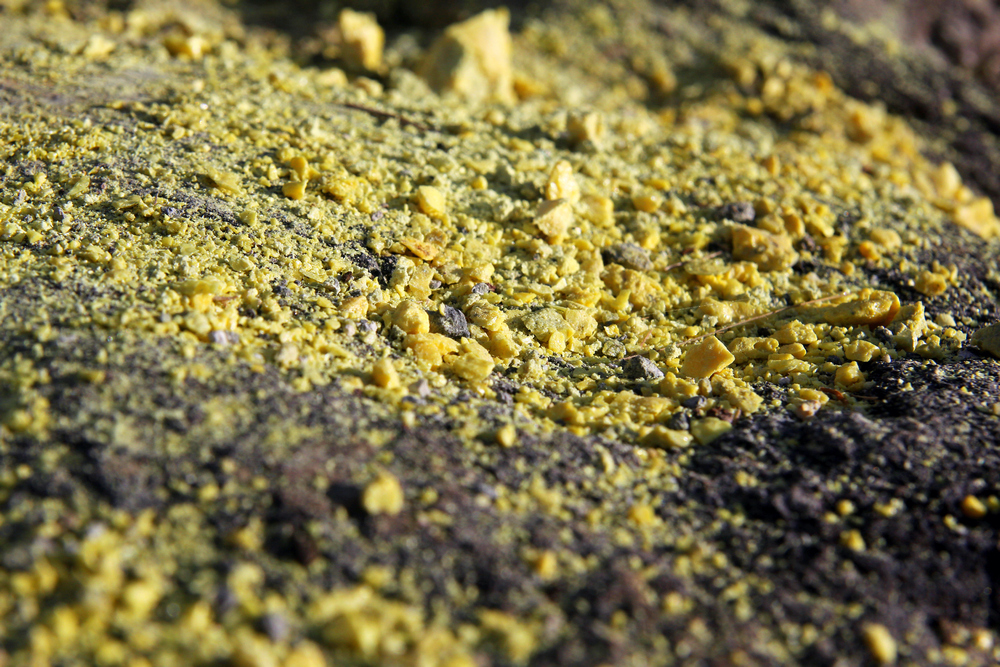
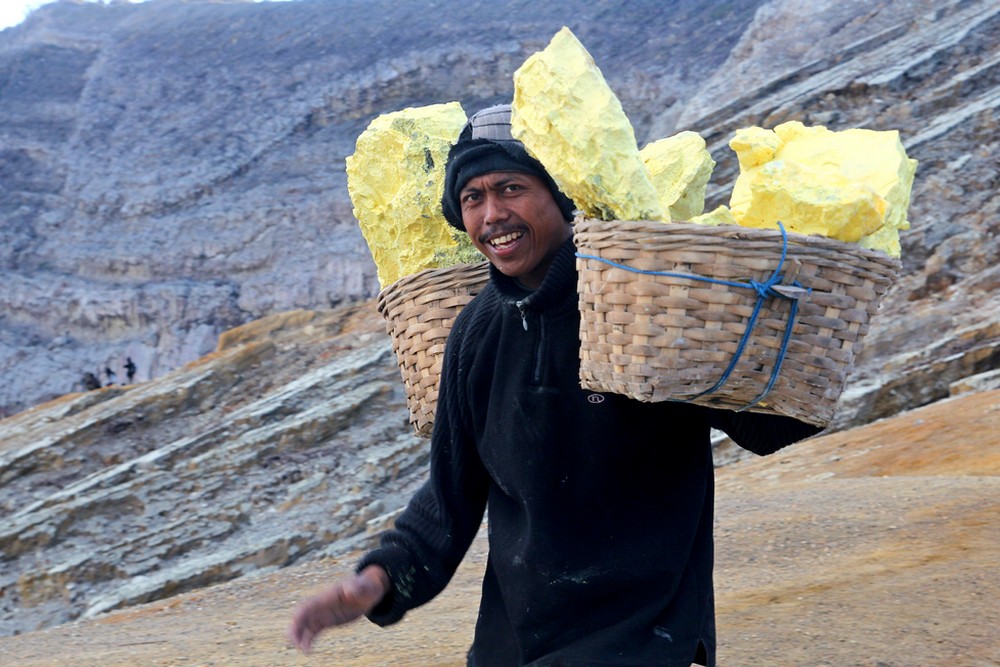
Glossy blocks of sulfur move closer, carried in two frayed bamboo baskets.
On their feet, worn-out sandals shaped by hundreds of kilometers walked up and down the mouth of hell known as Kawah Ijen.

The nose stings, the heart feels stunned: the solemnity of a place at the edge of the sky collides with the heartbreaking exploitation of an extraction system without rules or logic.
A lifeless lake
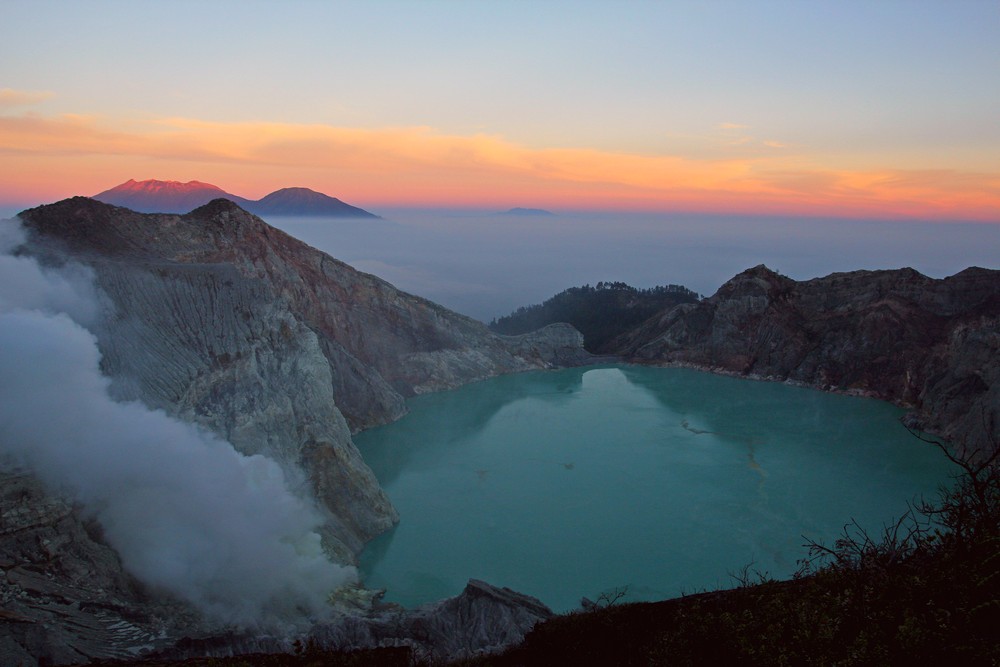
The shimmering, acidic water lies still inside the crater, yet a constant plume of smoke rises toward the cobalt sky.
That seemingly harmless liquid can reach temperatures of up to 600°C. Falling into it would mean instant death.
From the edge of the caldera, it truly feels like staring into hell — certainly one of the many hells on Earth.
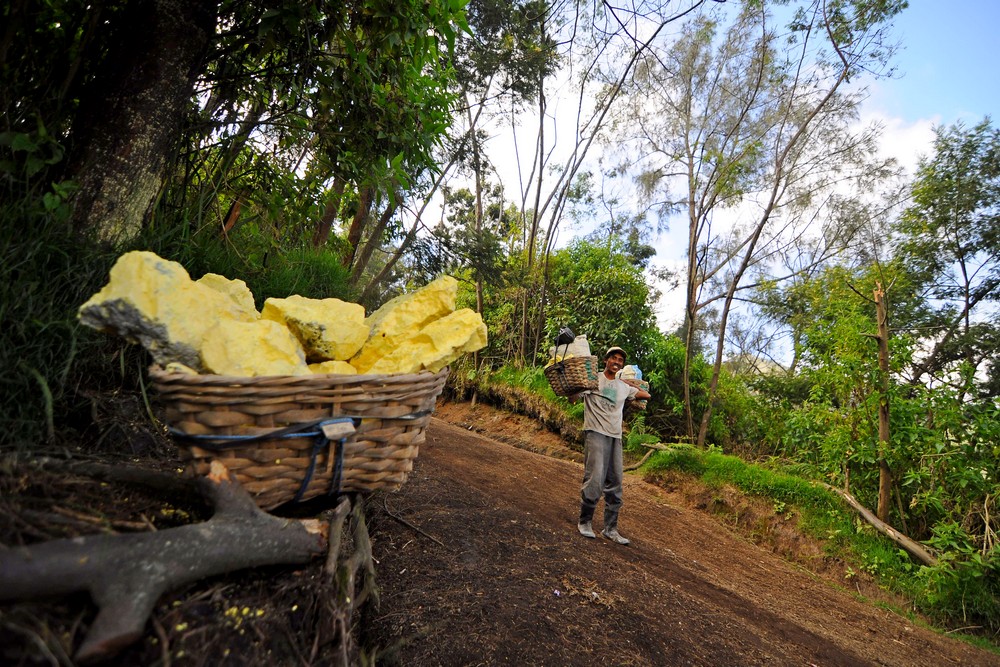
A neat line of ants moves along the trail that climbs from the bright yellow mine up to the rim of the caldera, then descends toward the forest on the opposite side.
They are men. Boys. Desperate souls.
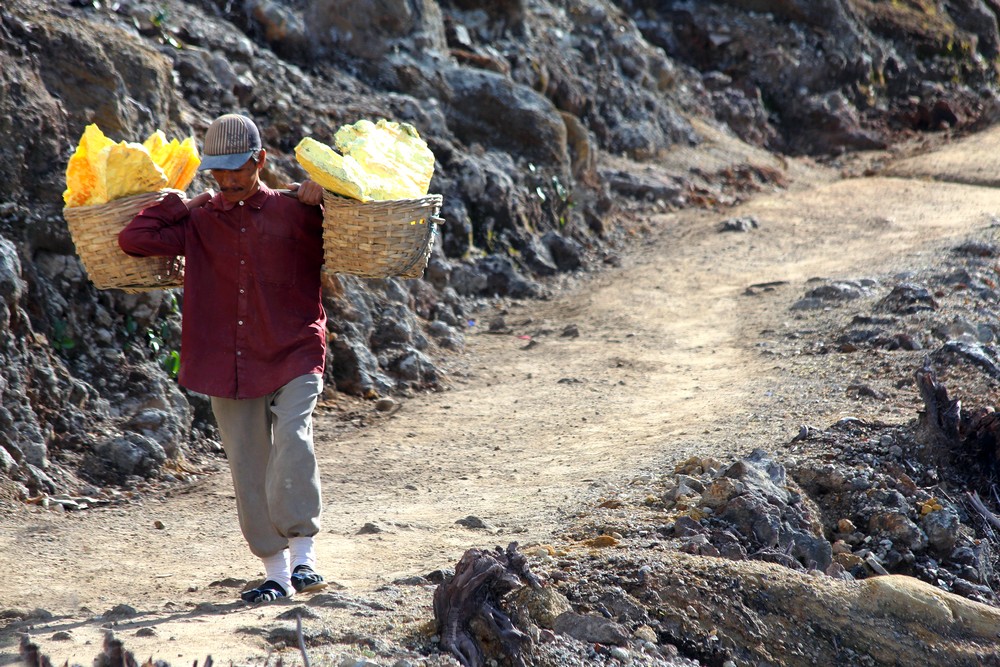
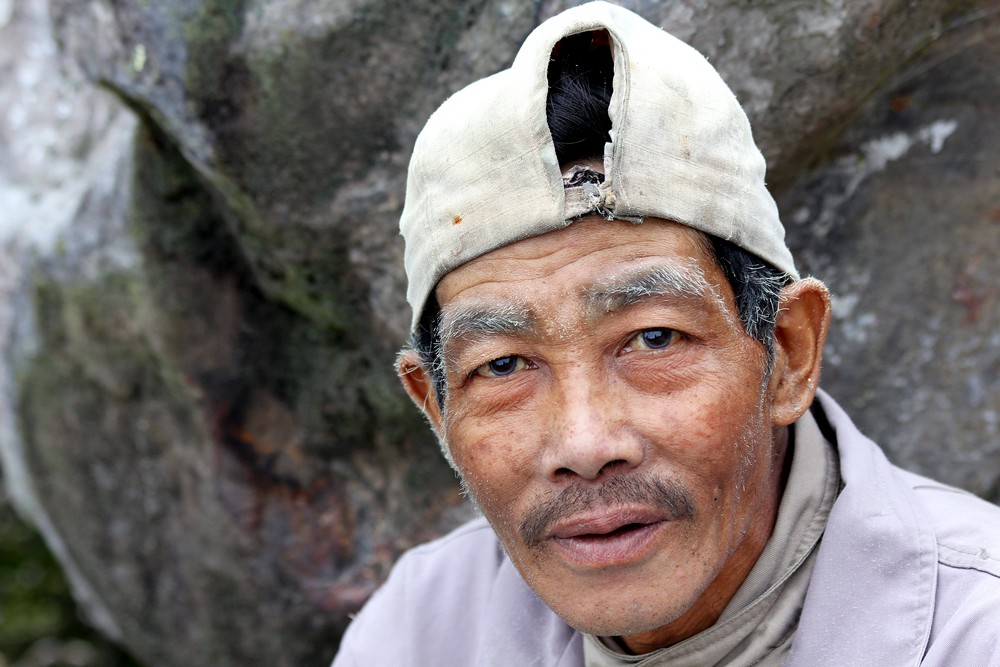
Their skin is burned and stained, their hands cracked, their lips dry, their bodies exhausted.
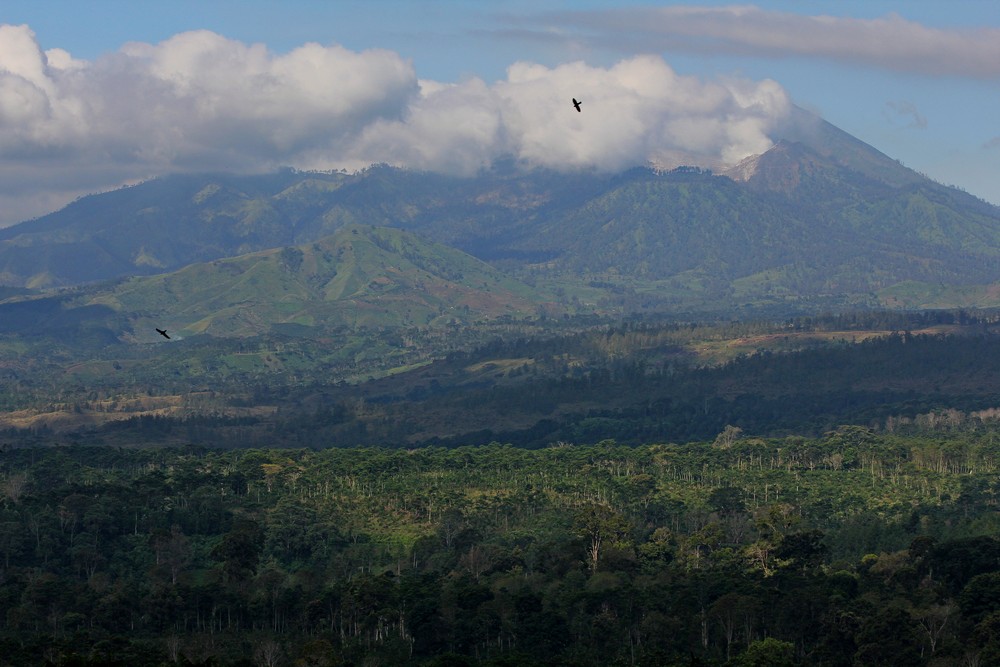
They are the sulfur miners of Kawah Ijen — a volcano that contains the largest acidic lake in the world.
We are in eastern Java, Indonesia.
Breathing grows labored as they climb, carrying on worn shoulders a wooden pole from which hang — like plates on a scale — two overflowing baskets filled with large sulfur chunks.
Fifty kilograms. Perhaps more.
Their backs bend under the strain.
At twenty years old, their youth is already forgotten — their silhouettes resemble old men hunched by a lifetime of hardship.
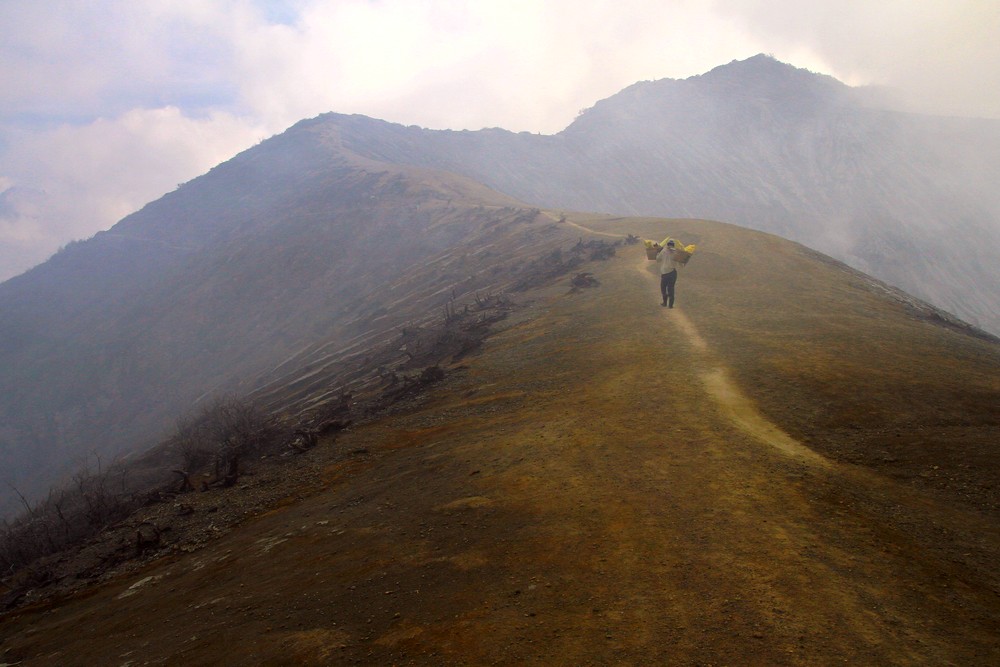
The yellow nuggets are a temptation that overrides common sense.
They are a means of survival for the local population, even though, as always, those who do the hardest work are left with only crumbs.
The miners’ silhouettes stand out against a sky slowly changing color as night approaches.
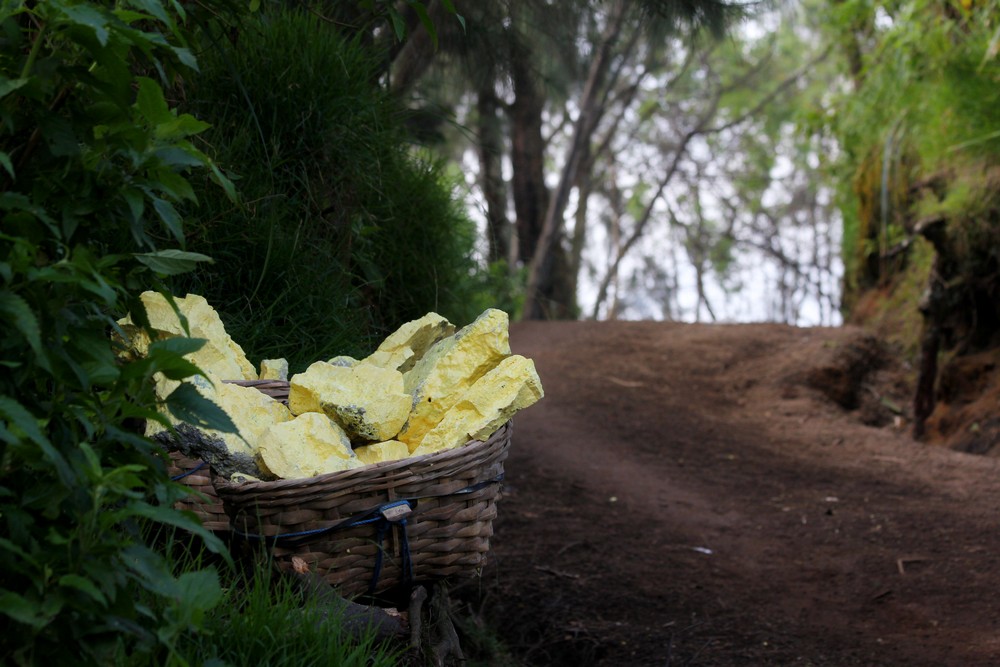
The sulfur will be transported to a collection point, then sold to intermediaries who distribute it to large agricultural companies producing pesticides and fertilizers, to cosmetic and pharmaceutical industries, and to match factories.
A glance from the past
Kawah Ijen, 2011.
We climb steadily along the path leading to the mouth of the volcano as the sun sinks relentlessly toward the horizon.
The heart pounds in the chest from the effort, but the eyes are not ready for what lies ahead.
An enormous, boiling chasm.
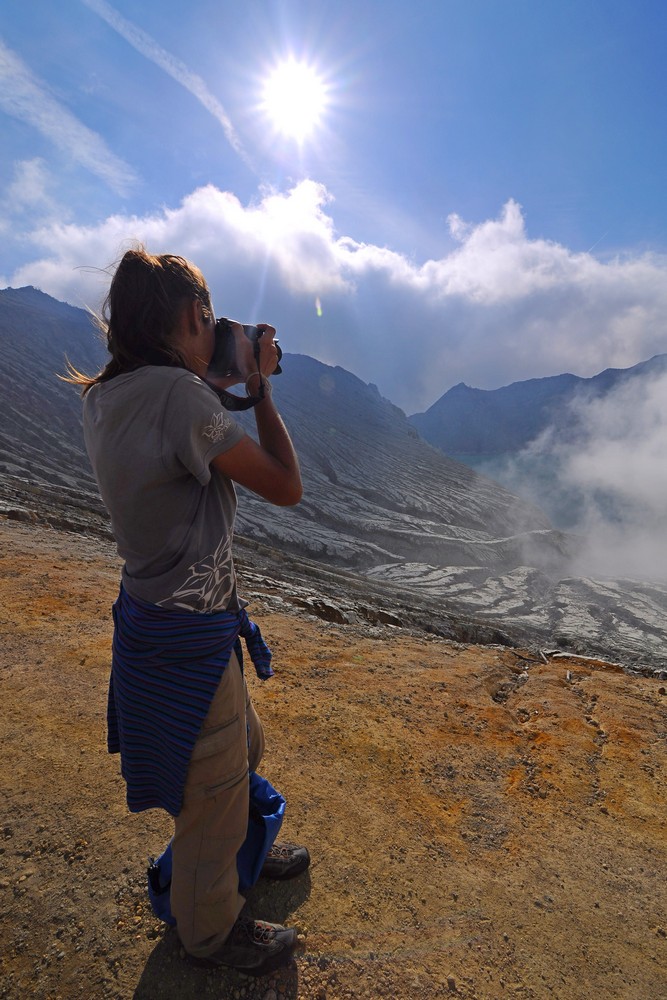
The water filling the cone would be inviting for a swim if it weren’t highly corrosive.
I sit on the edge of the precipice, still shaken by the wonder — and then something happens.
The stillness of the scene is tragically broken by smoke rising incessantly from a lateral cavity, and from that very opening emerge shapes made of skin and bones.
Wretched.
Small beings crowned with enormous blocks of glossy sulfur.
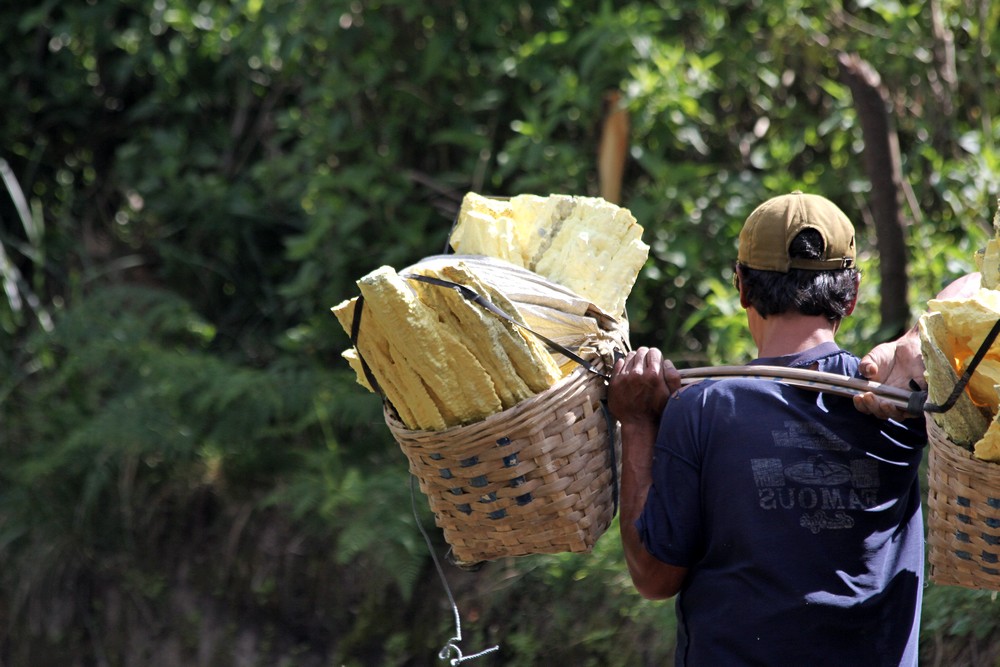
Bodies deformed by fatigue.
They are not human, I think.
They move slowly closer, exhausted by the weight and by the toxic fumes they breathe every day. Some wear protective masks, others only scarves.
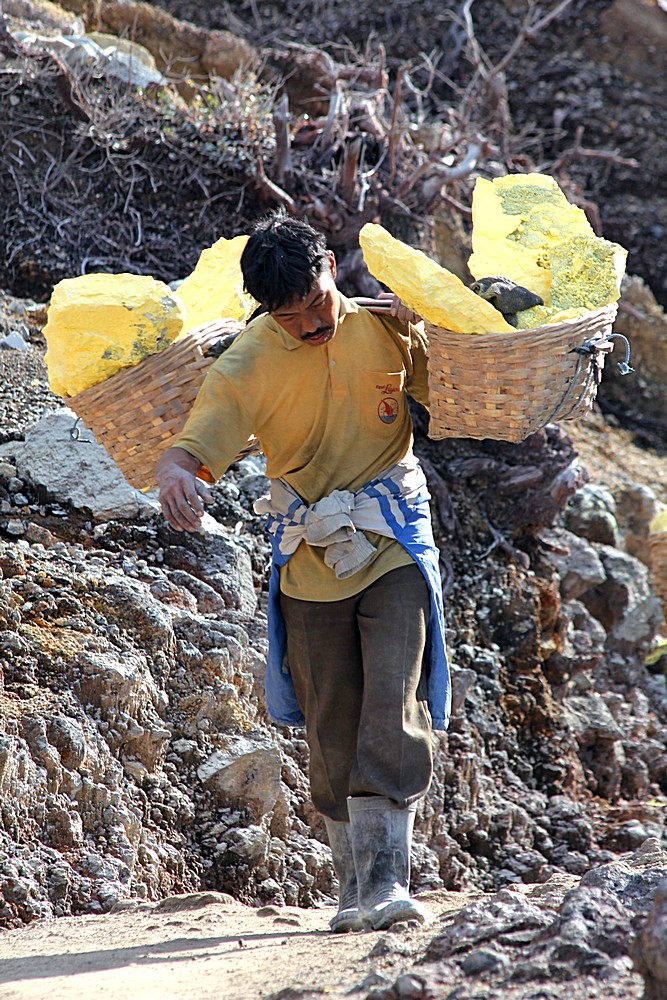
Their amber skin is covered with golden crystals that shimmer at sunset.
Their eyes are vacant, focused solely on the effort required to endure.
The life expectancy of the sulfur carriers of Kawah Ijen is fifty years.
Perhaps.
Silent witnesses
Standing motionless on this crater, we are witnesses to both natural wonder and the sacrifice of fathers, brothers, companions.
The Earth releases its power from deep within, the colours are hypnotic, the beauty almost unbearable.
I could stop here.
Look without seeing.
Let my gaze dissolve into the landscape, ignoring what moves at the margins.
Or I can stay.
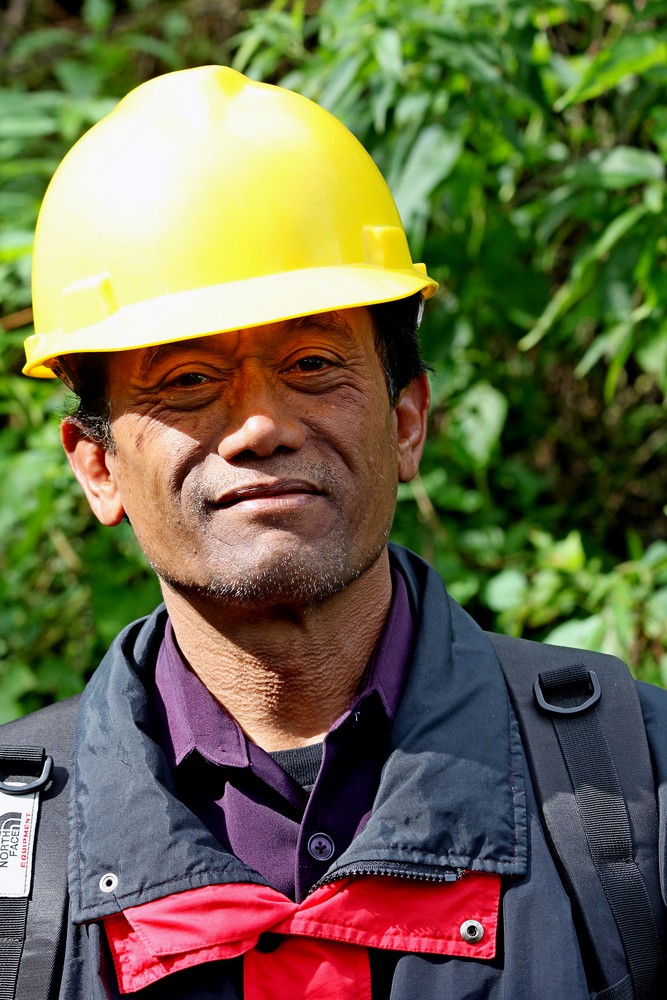
And tell the story of men, women, and children bent by work that consumes bodies and shortens lives.
Not to accuse.
Not to judge.
Only not to turn away.
In 2011, at Kawah Ijen, I did not see the blue flames.
I saw life burning above the Earth’s toxic fumes.
✨ Kawah Ijen at a glance
Location: Indonesia, eastern Java
What it is: active volcanic complex with the largest acidic lake in the world
Defining feature: manual sulfur mining
Dominant colours: sulfur yellow, acidic turquoise, white fumes
Soul: human, raw, natural
🧭 Why Kawah Ijen is an unusual place
Kawah Ijen is one of those places where natural beauty and human suffering coexist without filters.
The crater hosts an acidic lake surrounded by toxic fumes rising from the Earth’s depths. It is a powerful, primordial landscape, capable of hypnotising.
But Kawah Ijen is not only spectacular geology.
It is also fatigue, sweat, bodies bent under the weight of sulfur extracted by hand, every single day, without adequate protection.
Here, tourism observes.
The Earth erupts.
And humanity pays the highest price.
It is unusual because it offers no emotional escape: truly looking at it means accepting that wonder and injustice can exist in the same space.
🕰️ When to visit
Kawah Ijen can be visited year-round, but the dry season (May to October) is the safest period to hike the trail.
The busiest hours are at night and at dawn, when many visitors climb in hopes of seeing the famous blue flames.
During the day, the crater slowly empties and the landscape becomes quieter, almost suspended.
Early morning offers softer light, fewer crowds, and a more authentic perception of the place.
Afternoon enhances colours — but also fumes and fatigue.
As often happens in extreme places, slowing down and choosing the right moment makes all the difference.
👉 What stays with you
Kawah Ijen does not leave you with postcard images.
It leaves you with questions.
The acrid smell of sulfur clings to you, as if it never fully fades.
The fatigue of those who climb and descend every day stays in your eyes, while you are there only in passing.
It is a place that forces you to confront your role as a traveller: observer, witness, human being.
Kawah Ijen is not remembered for what it shows,
but for what it forces you to see.
📍 Place info
Country: Indonesia
Island: Java
Type: active volcano with acidic lake
Altitude: approx. 2,386 m
Trekking start: Paltuding
Ascent time: 1.5 – 2 hours
Difficulty: technically easy, demanding due to fumes and gradient
Best time to visit: dry season (May – October)
Crowd levels: high at dawn, moderate during the day
Best for: conscious travellers, photographers, lovers of extreme places
Important note: absolute respect for miners and the environment